





March 1, 2026


Purity in Islam: Wudu and Ghusl
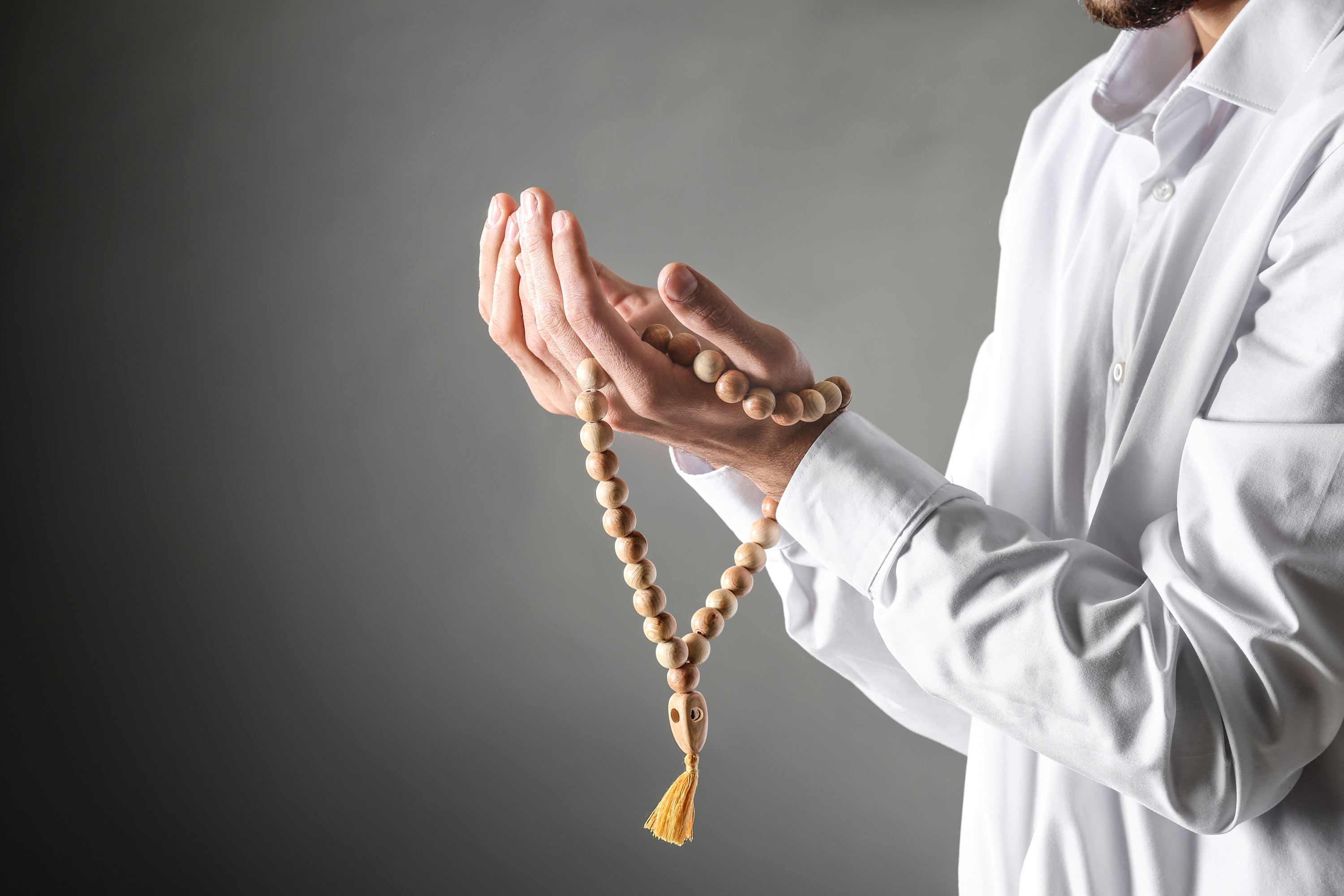
Purity holds a fundamental role in Islam, symbolizing both physical cleanliness and spiritual purification. Muslims are required to maintain cleanliness in all aspects of life, including personal hygiene, ritual purification (Wudu and Ghusl), and cleanliness in food and clothing.
Beyond physical cleanliness, purity in Islam extends to moral and spiritual purity, involving sincerity in worship, honesty in dealings, and righteousness in behavior. Purity is emphasized as a prerequisite for engaging in acts of worship, such as Salah (prayer), recitation of the Quran, and participation in religious rituals. By adhering to principles of purity, Muslims strive to attain spiritual elevation, closeness to Allah, and a state of inner peace and tranquility.
Wudu (Ablution)
What is a Minor Impurity?
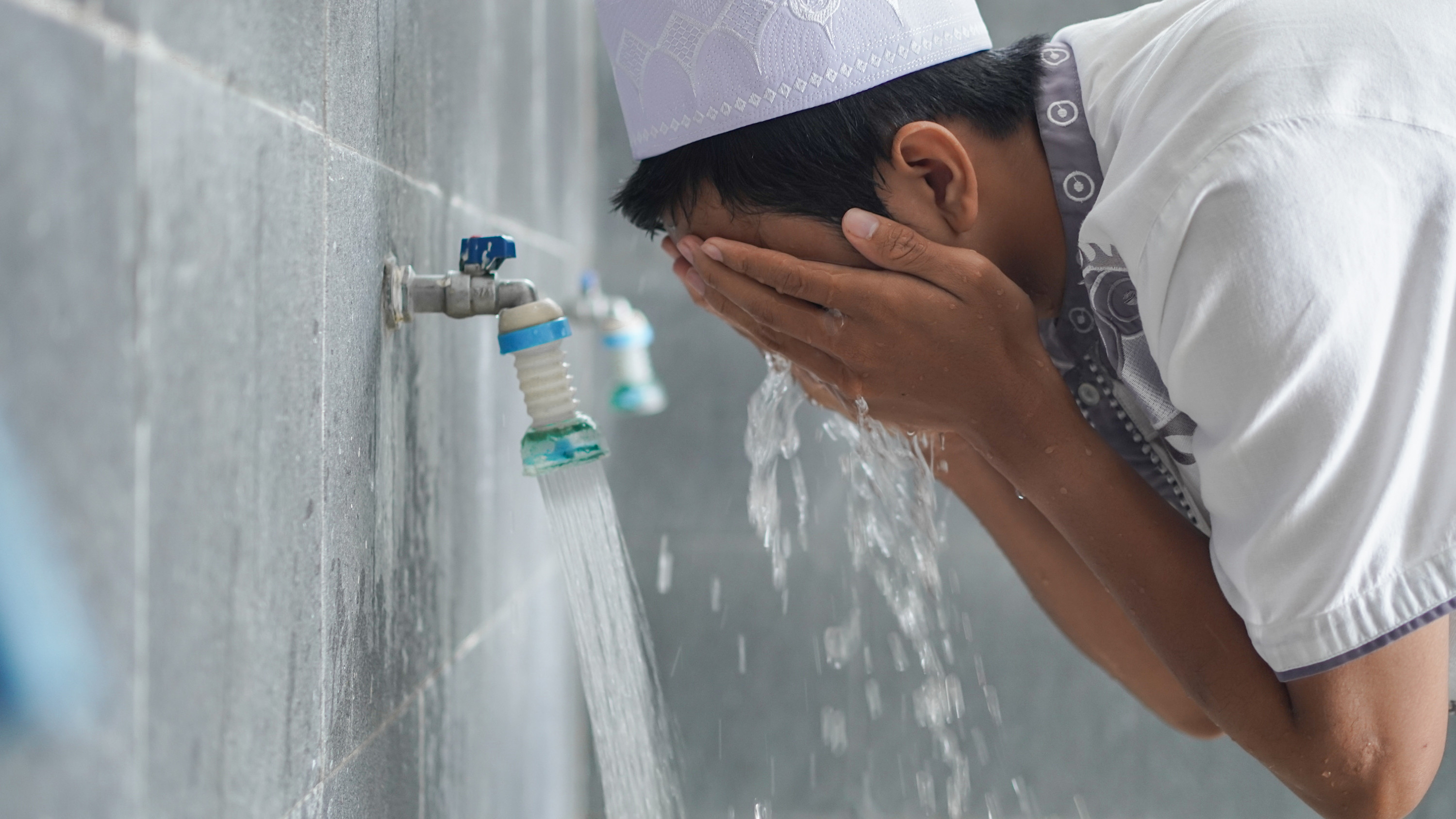
Wudu is the ritual ablution which purifies a person from minor impurity. In Islam, minor impurities that break Wudu include:
Urination and defecation: The release of urine or feces nullifies Wudu.
Passing gas: The release of gas from the anus nullifies Wudu.
Bleeding: Bleeding from any part of the body nullifies Wudu, except for bleeding from a wound that is healing.
Vomiting: The forceful expulsion of vomit nullifies Wudu.
Sleep: Deep sleep where one loses awareness, lying down in a reclined position, nullifies Wudu.
Loss of consciousness: Fainting or losing consciousness nullifies Wudu.
These are considered minor impurities, and performing Wudu again is necessary before performing acts of worship like prayer. Major impurities, such as sexual intercourse or seminal discharge, require a full ritual bath (Ghusl) to regain purity.
The following video demonstrates how to perform Wudu (ritual ablution).
Ghusl (Ritual Bath)
What is a Major Impurity?
Ghusl is the ritual bath which purifies a person from major impurity. In Islam, major impurities that require Ghusl include:
Sexual intercourse: Engaging in sexual intercourse requires the performance of Ghusl, a full ritual bath, to regain purity.
Ejaculation: Discharge of semen, whether due to sexual activity, nocturnal emission, or intentional emission, necessitates Ghusl.
Menstruation: Menstrual bleeding in women exempts them from performing prayers until their menstrual cycle ends, at which point they must perform Ghusl to resume praying.
Postnatal bleeding: Known as Nifas, this refers to the bleeding that occurs after childbirth. Women in this state are also exempted from prayer until the bleeding ceases, after which they must perform Ghusl.
These are considered major impurities, and they require Ghusl for purification before one can resume acts of worship like prayer.
The following video explains how to perform Ghusl (the ritual bath).
Tags:
Tags:


Tags:

Admin
Shahada services muslims to support them in the endeavor of seeking knowledge and connecting with their ummah. Shahada ai allows users to ask questions relating to Islam and receive answers backed by reliable sources of knowledge, including Quran, Hadith, Sirah, and Tafsir sources.